TheStateofAAAGachaGamesin2025:AMetacriticScoreAnalysis
From Genshin Impact's 84 to Wuthering Waves' controversial 71, we analyze the Metacritic scores of six next-gen gacha games that have achieved unprecedented critical recognition in the gaming industry.
The State of AAA Gacha Games in 2025: A Metacritic Score Analysis
Next-generation gacha games have achieved unprecedented critical recognition in the industry, with scores ranging between 71 and 84 on Metacritic—a remarkable feat considering that most traditional gachas like Fate/Grand Order or Azur Lane don't even receive professional critical coverage. Genshin Impact leads with 84 points on PC (not 81 as originally indicated), while Wuthering Waves closes the list with 71 points, primarily penalized for a technically disastrous launch. The common denominator among all six titles is the AAA production quality that has redefined genre expectations since 2020.

Verified and Updated Metacritic Data
Research revealed important discrepancies with the originally provided scores. Genshin Impact reaches 84 on PC and up to 86 on PS5, positioning itself as the highest-rated gacha in history. User scores present an interesting pattern: all range between 6.6 and 7.1, reflecting the inherent polarization of the gacha model where dedicated players and casual critics diverge significantly.
| Game | Critic Score (PC) | User Score | Release Date | Professional Reviews |
|---|---|---|---|---|
| Genshin Impact | 84 | 6.6 | September 28, 2020 | 26 |
| Honkai: Star Rail | 80 | 6.6 | April 26, 2023 | 23 |
| Infinity Nikki | 80 | 6.9 | December 5, 2024 | 29 |
| Arknights: Endfield | 79 | TBD | January 22, 2026 | 12 |
| Zenless Zone Zero | 77 | 6.9 | July 4, 2024 | 35 |
| Wuthering Waves | 71 | 7.1 | May 23, 2024 | 9 |
Notably, Wuthering Waves has the highest user score (7.1) despite its lowest critic score, showing that the community values aspects that critics penalized during the problematic launch.
Genshin Impact: The Gold Standard That Revolutionized the Genre
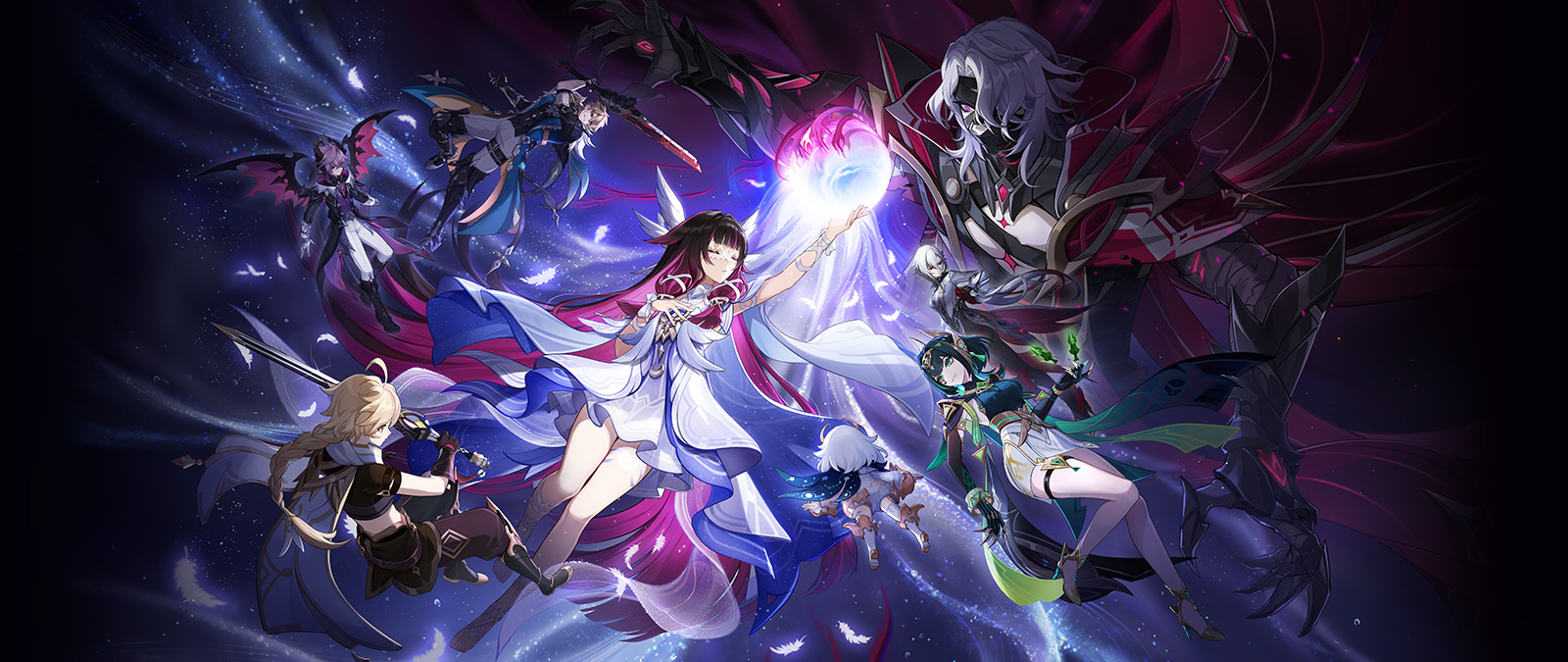
HoYoverse's flagship title received 90/100 from IGN and 93/100 from Game Informer, with critics highlighting its open world "absolutely overflowing with possibilities" and an elemental combat system that remains the genre reference. Exploration of Teyvat—with regions like Mondstadt, Liyue, Inazuma, Sumeru, Fontaine, and Natlan—offers more free content than many premium $60 games.
The negative points concentrate on the endgame that tries to "milk" players, according to PC Gamer, and an artifact system dependent on RNG that frustrates veteran players. The Reddit community (r/Genshin_Impact) maintains a mixed-positive sentiment, though controversies like the Lantern Rite 2024 rewards—only 3 Intertwined Fates for the third consecutive year—generated massive protests including follower losses on Bilibili and 1-star reviews in China.
In January 2025, HoYoverse received a $20 million FTC fine for deceptive practices in gacha odds and handling of minors' data, damaging the company's reputation.
Honkai: Star Rail Demonstrates HoYoverse's Evolution
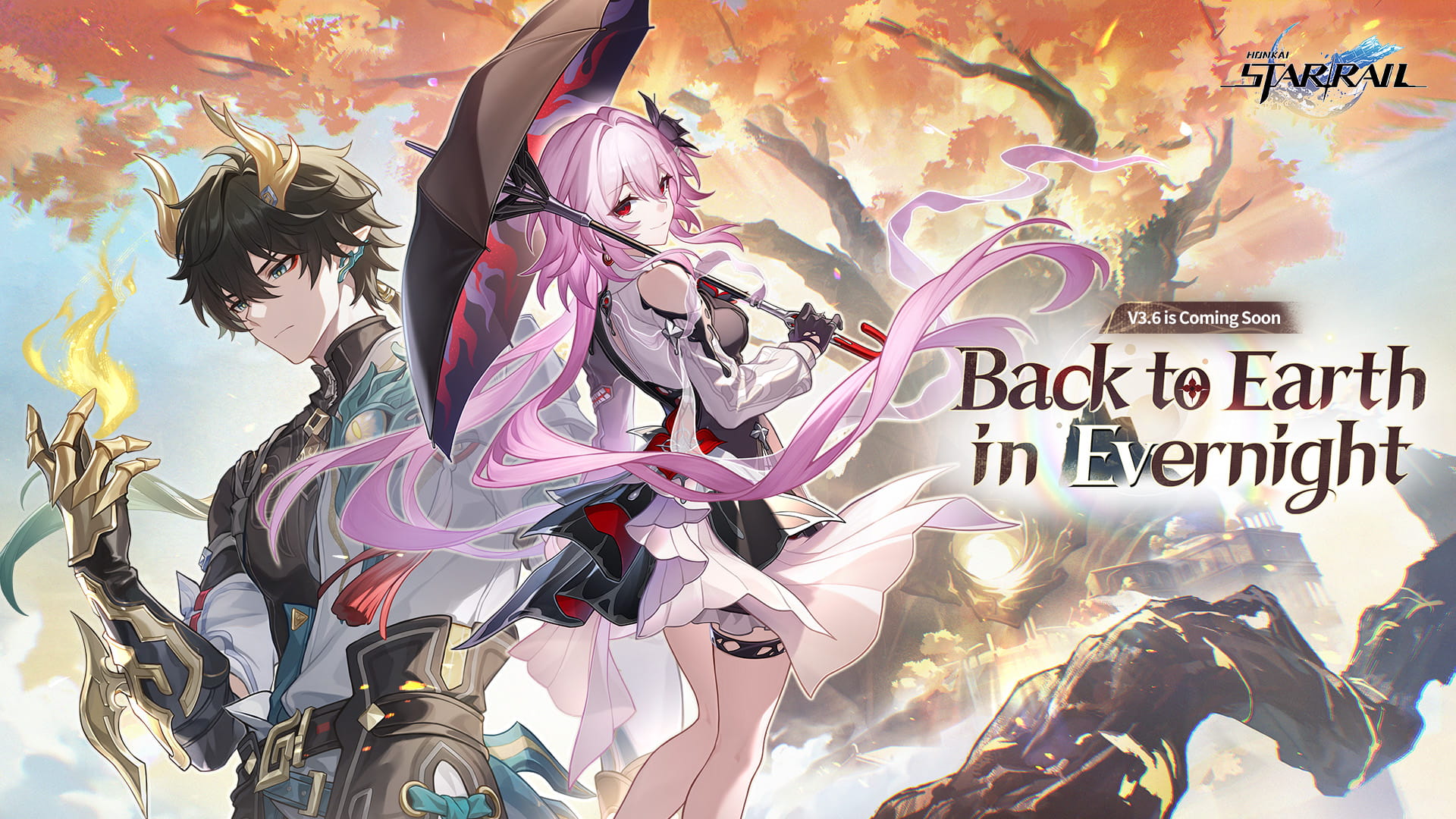
With 90/100 from IGN and PC Gamer, Honkai: Star Rail represents the studio's maturation. Its turn-based combat system is described as "flawless" with a "dazzling" visual style. Unlike Genshin, HSR respects player time more with auto-battle, daily farming without specific day restrictions, and starter characters that remain viable long-term.
The narrative particularly excels: the Penacony arc divided the community between those who consider it "peak storytelling" and those who see it as "pretentious drivel." However, power creep—where each new character makes previous ones obsolete—is the most persistent complaint on r/HonkaiStarRail. Genshin players express frustration because HSR receives superior anniversary rewards, including a free 5★ that Genshin has never offered.
Zenless Zone Zero: Exceptional Combat, Limited Scope
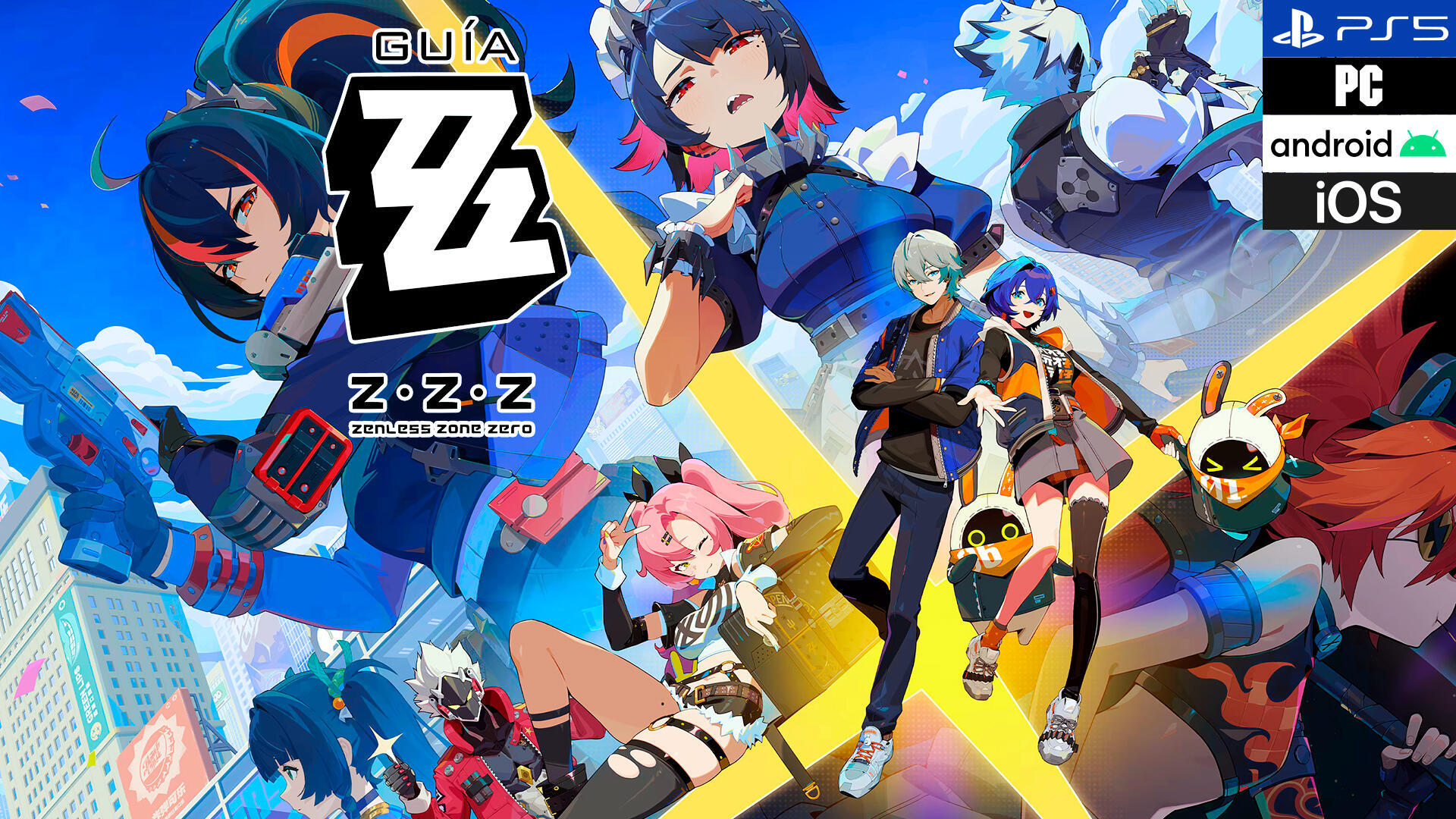
HoYoverse's most recent PC title achieved 77 points—the studio's lowest—but for specific reasons that don't reflect lack of quality. Its beat-em-up combat system is considered the best from HoYoverse, with "mesmerizing" animations and character designs that include bears, androids, and oni. The cyberpunk-retro urban aesthetic inspired by Persona offers something genuinely different.
The problem lies in the TV Mode, a puzzle exploration system the community hated so much that HoYoverse partially removed it after negative feedback. The lack of open world—ZZZ operates through hubs and instances called "Hollows"—limited its appeal for those expecting another Genshin-type experience. Bloomberg reported that the game didn't meet HoYoverse's internal expectations in terms of revenue.
Wuthering Waves: The Competitor That Stumbled at Launch
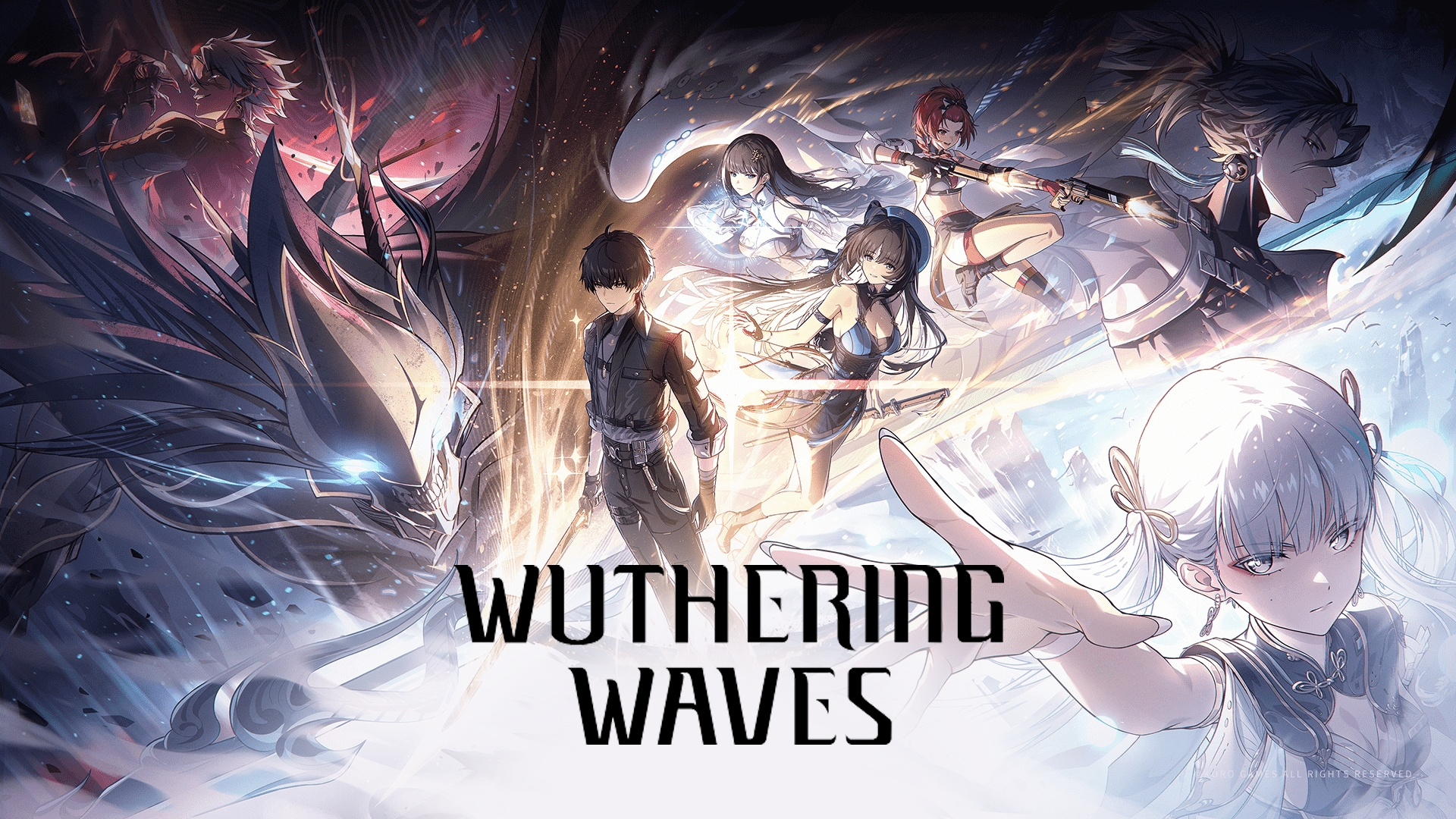
Kuro Games' 71 score is the lowest on the list, but it tells a story of a failed launch more than a deficient game. In May 2024, Wuthering Waves debuted with fatal errors preventing game launch, constant crashes, blurry textures, and English voice acting with audio problems so severe they included "popping" sounds during cutscenes. A Reddit megathread accumulated 3,400+ comments reporting problems in just 16 hours.
The r/WutheringWaves community considers that the 71 score doesn't reflect the game's current state. Since version 2.0, the story reached "cinematic quality" and mechanics like flight were added, dramatically improving exploration. The combat system is universally praised as superior to Genshin's, with parries, dodges, and complex combos that reward player skill. One Reddit user summarized: "Wuthering Waves sh*ts on Genshin from so high up it feels like god himself took a dump"—referring specifically to combat.
The 80 pull pity (vs Genshin's 90) and 100% guaranteed weapons make WuWa more generous for F2P, though the 50/50 system and pity higher than Punishing Gray Raven's (60 pulls) from the same developer generate criticism.
Infinity Nikki: From Innovator to Community Crisis

Papergames' title achieved 80 points with 29 professional reviews, a surprising feat for a dress-up game. IGN gave it 90/100 calling it "the definitive evolution of the series" and "the best F2P dress-up game." With more than 1,000 developers including Kentaro Tominaga (former Zelda: Breath of the Wild director), Infinity Nikki proved the genre can achieve AAA quality.
However, the update 1.5 "Bubble Season" in April 2025 devastated community goodwill. Outfits went from 8-10 pieces to 11, requiring up to 220 pulls to complete. A new dye system introduced 3 additional currencies with costs reaching $300-400 USD to unlock all colors for ONE 5-star outfit. When the community organized a boycott, Infold Games censored the word "boycott" on Discord and official forums, causing players to adopt the term "GIRLCOTT" as resistance. Steam reviews fell to "Mostly Negative" with 52% negative.
Arknights: Endfield Redefines the Mobile Spin-off

Released just four days before this report (January 22, 2026), Hypergryph's spin-off obtained 79 points with "generally favorable" reception. CGMagazine gave 90/100 highlighting its unique combination of "fluid combat, elaborate factory building, and Death Stranding-style construction."
The AIC automation system—compared to Factorio—is "the real star" according to the r/arknights community. Unlike other competitors, Endfield doesn't try to copy Genshin, opting for an action RPG with its own identity set on Talos-II, a moon discovered 152 years before the game's events. The steep learning curve and a gacha system with complete pity reset between banners are the main criticisms.
Why HoYoverse Dominates and Kuro Games Struggles to Catch Up

The difference between HoYoverse scores (77-84) and Kuro Games (71) is explained by three fundamental factors:
Resources and Experience
HoYoverse invests $200 million annually just in Genshin development, with teams of thousands and a proven track record since Honkai Impact 3rd. Kuro Games, while competent, is a smaller studio whose only previous success was Punishing: Gray Raven.
Launch Quality
All HoYoverse titles debut technically stable. Wuthering Waves launched with errors that prevented playing—a first impression critics don't forgive.
Own Identity vs Imitation
Critics penalized WuWa for being a "usurper trying too hard to be like Genshin Impact." ZZZ, despite its lower score within HoYoverse, was praised for offering something genuinely different with its urban aesthetic.
Gacha monetization affects all scores equally: pity systems, multiple currencies, and 0.3-0.6% drop rates for top characters are universally criticized. However, players who leave user reviews—typically more invested in the genre—accept these systems, explaining why user scores (6.6-7.1) are more uniform than critic scores.
The Context Numbers Don't Tell
These six games represent the absolute elite of the gacha genre. For perspective: Fate/Grand Order, the most financially successful gacha for years, Nintendo's Fire Emblem Heroes, Azur Lane, Epic Seven, and Girls' Frontline—none have an official Metascore because critics historically ignored mobile gachas as "not real games."
That Wuthering Waves with 71 points is considered "low" illustrates how much Genshin Impact has raised expectations since 2020. Before Teyvat, a gacha with Breath of the Wild quality was unthinkable. Now it's the minimum standard competitors must reach.
Critical bias toward monetization persists: as ComicBook.com pointed out, "'it's a gacha game' is no longer a valid excuse" for design problems, but the phrase continues to be used to dismiss legitimate achievements of the genre. These six titles have demonstrated that an F2P model with gacha can coexist with rich narratives, expansive worlds, and deep gameplay—though the cost of obtaining specific characters ($475 to guarantee a 5★ in Genshin) remains the Achilles' heel critics will never stop pointing out.
My Personal Opinion
After analyzing all available information, my perspective is that Metacritic scores tell only part of the story. Genshin Impact deserves its leadership position not only for technical quality but for democratizing the gacha genre for Western audiences who would never have touched a mobile game with chance mechanics.
Wuthering Waves is the most unfair case: its 71 score reflects a disastrous launch that no longer represents the game's current state. If evaluated today, it would probably be in the 78-82 range. Its combat system is genuinely superior to any HoYoverse title, and version 2.0 proved Kuro Games can compete in narrative when given time.
Zenless Zone Zero is the most underrated: the 77 score doesn't do justice to a game offering the studio's most satisfying combat and an aesthetic no other gacha has attempted. Its "failure" is relative—any other developer would be celebrating those numbers.
Infinity Nikki is the most important warning: it demonstrated that even with excellent critical reception and a dedicated community, corporate greed can destroy years of goodwill in a single update. The "girlcott" should be studied by all live-service developers.
Arknights: Endfield is the most interesting bet: it rejected copying the Genshin formula and bet on its own identity with its automation system. Time will tell if that strategy pays long-term dividends.
Ultimately, these scores are snapshots of a specific moment in games that constantly evolve. A critic evaluating Genshin today versus 2020 would have radically different opinions. The live-service model makes traditional reviews inherently limited for capturing the real experience of these titles.
Conclusion: A Genre That Matured But Faces New Challenges
Metacritic scores tell a story of unprecedented industrial maturation. In five years, gachas went from being ignored by critics to competing directly with traditional AAA titles. Genshin Impact established a standard that its own successors (HSR, ZZZ) struggle to match, while competitors like Wuthering Waves demonstrate that technical combat can surpass the leader even with fewer resources.
Reddit communities reveal fascinating tensions: WuWa fans passionately defend that their game is "objectively better" in combat, while Genshin fans point to superiority in exploration and narrative. The Infinity Nikki crisis with the "girlcott" warns about the limits of aggressive monetization—even traditionally less vocal audiences (70% female) organize when they perceive abuse.
The genre's future depends on balancing the AAA quality now expected with monetization models that don't erode community trust. For now, these six titles—with all their flaws—represent the best gacha gaming has ever offered.
Sources
Metacritic and Professional Reviews
- Genshin Impact - Metacritic
- Honkai Star Rail - Metacritic
- Zenless Zone Zero - Metacritic
- Wuthering Waves - Metacritic
- Infinity Nikki - Metacritic
- Arknights Endfield - Metacritic
- Genshin Impact - OpenCritic
Articles and Analysis
- PC Gamer - Honkai Star Rail Review
- The Gamer - Wuthering Waves Worth Playing
- The Gamer - HSR vs Genshin Comparison
- GameSpot - HSR for Genshin Fans
- Game Rant - Lantern Rite Controversy
- Screen Rant - ZZZ vs Genshin
- ComicBook - Gacha Game Excuse
- Dexerto - WuWa Launch Issues